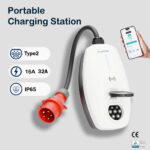
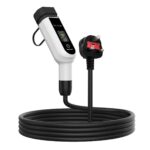
The global transition to electric vehicles is reshaping more than just our roads. Consequently, it is fundamentally challenging our century-old energy grids. While much attention focuses on battery range and vehicle performance, the true catalyst for a sustainable mobility future lies elsewhere. Specifically, it resides in the intelligence of the charging infrastructure itself. At Fisher, we don’t just see a charging station; we see a critical grid-interactive device. Therefore, our engineering philosophy at https://ev-wallbox.com centers on creating solutions that do more than transfer power—they actively manage it. This approach transforms EVs from a potential grid burden into a collective asset for stability and efficiency.
The Grid Integration Imperative: Why Smart Charging is Non-Negotiable
Historically, electricity demand was relatively predictable. However, the mass adoption of EVs introduces a dynamic and significant new load. Without intelligent management, clusters of EVs charging simultaneously could overwhelm local transformers and increase infrastructure costs for everyone. Furthermore, the rise of renewable energy like solar and wind creates supply variability. Thus, the next-generation charging system must serve a dual role: it must be a convenient consumer appliance and a responsive grid citizen.
This evolution requires a shift from “dumb” outlets to adaptive energy hubs. For instance, a truly smart charger can delay or reduce its power draw during peak grid stress. Alternatively, it can increase charging when renewable generation is high. By doing so, it helps flatten demand curves and integrate cleaner energy. Ultimately, this intelligence protects community infrastructure, lowers overall energy costs, and accelerates decarbonization. For businesses, this translates directly to operational savings and enhanced sustainability credentials.
Engineered for Intelligence: The Fisher Product Ecosystem
To meet these complex demands, we offer a tiered ecosystem of products. Each tier is designed with specific use cases and grid-support capabilities in mind.
1. Adaptive AC Wallboxes: The Foundation of Grid-Friendly Charging
Our AC wallboxes for homes and workplaces are built with proactive load management as a standard feature. For example, our proprietary software continuously analyzes a building’s total energy consumption in real-time. If it detects the main circuit approaching its limit, it automatically and seamlessly reduces charging power to maintain safety. This means homeowners can often install a charger without expensive electrical panel upgrades. Additionally, these chargers integrate seamlessly with home solar systems. They can be programmed to prioritize using surplus solar energy, thereby maximizing self-consumption and return on investment.
2. High-Availability DC Fast Chargers: Power Commerce with Uptime Intelligence
For fleet depots and public stations, reliability is revenue. Our DC fast chargers are engineered with modularity and remote diagnostics at their core. Because power modules are hot-swappable, servicing does not require a full station shutdown. This design significantly increases overall uptime. Moreover, our comprehensive cloud connectivity provides operators with actionable insights. They receive predictive maintenance alerts, detailed energy usage reports, and can remotely manage power levels across their network to control demand charges. As a result, operators gain both operational control and financial predictability.
Our Strategic Roadmap: From Energy Consumption to Energy Participation
Our vision extends beyond today’s smart charging. We are actively developing technologies that will enable EVs to become active participants in the energy market.
- Phase 1: Deploying Vehicle-to-Grid (V2G) Solutions. We are moving beyond unidirectional power flow. Our upcoming V2G-enabled chargers will allow EVs to discharge stored energy back to the building or the grid. For a business, this means a fleet of electric buses or delivery vans can provide valuable backup power or sell energy during expensive peak periods, creating a new revenue stream.
- Phase 2: Launching Our Grid Services Platform. We are building a software platform that aggregates clusters of Fisher chargers into a virtual power plant (VPP). This platform will allow utilities or grid operators to access a flexible pool of energy resources for demand response programs. Essentially, we are creating the digital layer that turns distributed EV batteries into a grid-stabilizing tool.
- Phase 3: Deepening Global Market Adaptation. We understand that grid structures and regulations vary worldwide. Therefore, our strategy involves close partnerships with local energy companies and integrators. Through tailored firmware and software configurations, we ensure our hardware optimally interacts with regional grid codes and market incentives, delivering localized value everywhere we operate.
Partnering for a Resilient Energy Future
Choosing Fisher means partnering with a specialist in grid-integrated charging. We offer the complete package: future-proof hardware, intelligent software, and a partnership-focused approach. Our flexible OEM/ODM models allow other brands and large-scale deployers to leverage our technology as their own, accelerating their time to market with a proven, smart solution.
The future of transportation is electric, and the future of the grid is interactive. By bridging these two worlds with intelligence, we are powering a more efficient and resilient energy ecosystem for all.
Explore our technical specifications, case studies, and partnership models at https://ev-wallbox.com. Connect with our team to discuss how our adaptive charging solutions can meet your operational needs and support your sustainability goals.