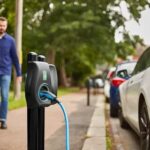
The electric vehicle (EV) market has experienced significant growth in recent years, with a substantial increase in the adoption of electric vehicles by both individual consumers and businesses. This surge in demand has led to a parallel rise in the need for efficient and reliable EV charging infrastructure. Among the various types of charging solutions available, 22kW EV chargers have emerged as one of the most popular and widely adopted options due to their optimal combination of fast charging capabilities, cost-efficiency, and broad compatibility.
However, the performance of 22kW EV chargers is not solely determined by their basic design or functionality. A critical element that influences the efficiency, durability, and reliability of these chargers lies in the factory technologies used during their production. These advanced manufacturing technologies play a key role in improving the overall performance of 22kW EV chargers factory-produced units, ensuring that they meet the growing demands of users while providing the highest levels of safety and efficiency.
In this article, we will explore the various factory technologies that contribute to improving the performance of 22kW EV chargers. By examining how these technologies enhance the reliability, speed, energy efficiency, and overall user experience, we aim to provide a comprehensive understanding of why 22kW EV chargers manufactured with advanced factory technologies are essential for the future of electric vehicle infrastructure.
Table of Contents
Advanced Power Electronics for Efficient Energy Conversion
The core function of any EV charger is to convert the electrical power from the grid into the appropriate voltage and current to charge a vehicle’s battery. For 22kW EV chargers, this process needs to be both fast and highly efficient. The performance of 22kW chargers largely depends on the power electronics used to regulate the flow of electricity and optimize charging speed.
High-Efficiency Inverters
A significant technology used in 22kW EV chargers is the high-efficiency inverter, which is responsible for converting alternating current (AC) from the electrical grid into direct current (DC) for the vehicle’s battery. The inverter’s efficiency directly impacts the charging speed and energy consumption.
- Improved Conversion Efficiency: Advanced inverters developed in factories using cutting-edge semiconductor materials such as silicon carbide (SiC) have demonstrated significant improvements in energy conversion efficiency. These inverters are able to convert power more efficiently, reducing energy losses during the charging process and improving the overall performance of the charger.
- Smaller and Lighter Inverters: Factory technologies that use high-quality components, such as SiC-based semiconductors, allow the production of smaller and lighter inverters. These compact designs not only improve efficiency but also make the chargers more portable and easier to install, particularly in environments where space is limited.
Power Factor Correction (PFC)
To ensure that the power supplied to the charger is optimized, many 22kW EV chargers factory designs incorporate power factor correction technology. This technology improves the efficiency of the charging process by reducing the amount of reactive power in the system and ensuring that the charger uses the electricity supplied by the grid as efficiently as possible.
- Reduced Energy Wastage: With better PFC, the charger operates closer to its optimal power factor, reducing energy wastage and improving the overall system efficiency. This leads to faster charging times and lower energy costs for the end user.
- Stable Grid Interaction: PFC technology also helps to stabilize the interaction between the charger and the electrical grid, preventing voltage fluctuations and protecting both the charger and the vehicle’s battery from potential damage.
Thermal Management Systems for Increased Reliability and Longevity
Thermal management is a critical consideration for any high-power electronic device, and 22kW EV chargers are no exception. Effective heat dissipation ensures that the charger operates within safe temperature limits, preventing overheating and extending the life of both the charger and the vehicle’s battery.
Active Cooling Systems
Modern 22kW EV chargers factory designs often incorporate advanced cooling systems to maintain optimal operating temperatures. These cooling systems use various technologies, including:
- Fans and Heat Sinks: Active cooling methods, such as the use of high-efficiency fans and aluminum heat sinks, are integrated into the charger’s design to efficiently dissipate heat generated during the charging process.
- Liquid Cooling: For even higher power levels or more compact designs, some 22kW chargers are equipped with liquid cooling systems. These systems circulate coolant through specialized channels or tubes, absorbing and transferring heat away from sensitive components like inverters, capacitors, and transformers.
Passive Cooling Methods
In addition to active cooling, some 22kW EV chargers factory designs incorporate passive cooling methods, such as natural convection, where the charger is designed with ventilation holes and specialized airflow channels to allow heat to dissipate naturally without the use of mechanical cooling.
- Energy-Efficient and Silent: Passive cooling methods require no moving parts, which makes them energy-efficient and silent in operation. These cooling technologies help to reduce the overall energy consumption of the charger and contribute to a more environmentally friendly product.
Durable and Weather-Resistant Materials for Outdoor Use
The materials used in the construction of 22kW EV chargers are essential for their durability, especially when the chargers are intended for outdoor or public use. Factory technologies ensure that the materials chosen for the charger’s construction are resistant to the elements, ensuring long-lasting performance in all types of weather conditions.
Weatherproof Enclosures
Factory technologies play a significant role in producing weatherproof enclosures that protect the internal components of the charger from rain, dust, UV rays, and extreme temperatures. These enclosures are typically made from materials such as high-grade stainless steel, aluminum, or reinforced plastic.
- IP Rating for Protection: Many 22kW EV chargers factory models feature an IP65 or higher rating, which indicates that the charger is dust-tight and can withstand powerful jets of water, making it suitable for installation in a variety of environments, including outdoor parking lots, shopping centers, and highways.
- Corrosion-Resistant Coatings: Factory processes often include the application of corrosion-resistant coatings to ensure that the charger’s exterior can withstand exposure to moisture and harsh weather conditions, such as rain or snow.
UV-Resistant Components
For chargers installed in direct sunlight, UV resistance is a key factor in preventing degradation over time. Factory technologies ensure that the plastic and rubber components of the charger are treated with UV inhibitors, which prevent the material from becoming brittle or discolored due to prolonged exposure to sunlight.
Smart Charging and Connectivity Features
As electric vehicle adoption continues to rise, the need for smart, connected EV chargers becomes more pronounced. 22kW EV chargers manufactured with smart technologies provide advanced features that improve both user experience and operational efficiency.
IoT Connectivity
Factory technologies enable the integration of Internet of Things (IoT) features into 22kW EV chargers, allowing these chargers to connect to the internet and communicate with central management systems. IoT connectivity provides a range of benefits:
- Remote Monitoring and Control: With IoT-enabled chargers, operators can remotely monitor the status of each charging station, track energy consumption, and perform diagnostics from anywhere in the world.
- Over-the-Air (OTA) Software Updates: IoT connectivity also allows for OTA updates, enabling manufacturers to remotely update the charger’s firmware, ensuring that it always operates with the latest features and bug fixes.
- Real-Time Data and Reporting: Smart chargers can collect and transmit data on charging sessions, energy usage, and payment details, providing valuable insights for both users and operators. This data helps operators optimize their charging networks, manage demand, and improve service delivery.
Integration with Energy Management Systems (EMS)
Advanced 22kW EV chargers factory designs incorporate integration capabilities with energy management systems (EMS). EMS enables the charger to dynamically adjust the charging power based on grid conditions, ensuring that the EV charger operates in the most efficient manner.
- Load Balancing: For installations with multiple charging stations, EMS allows for load balancing to ensure that the total power consumption does not exceed the available capacity. This prevents overloading the electrical grid and helps reduce energy costs.
- Peak Shaving: EMS can also implement peak shaving strategies, which allow the charger to reduce power usage during periods of high demand, saving money for operators and users alike.
Automated Manufacturing and Quality Control
One of the key factors that improve the performance of 22kW EV chargers factory-produced units is the use of automated manufacturing processes. Factory automation helps ensure that each unit is produced with precision and consistency, improving overall quality and reliability.
Robotic Assembly Lines
Advanced robotic assembly lines are used in the manufacturing of 22kW chargers, allowing for precise assembly and a reduction in human error. These robots are programmed to handle delicate components, soldering, wiring, and other tasks that require high accuracy.
- Increased Production Speed: The use of automation speeds up the manufacturing process, ensuring that chargers are produced in a timely manner to meet increasing demand. The efficiency of automated systems allows for large-scale production without compromising quality.
Precision Testing and Inspection
After production, every 22kW EV charger undergoes a series of rigorous quality control tests to ensure that it meets the necessary safety and performance standards. These tests include:
- Electrical Safety Testing: Chargers are tested for compliance with electrical safety standards to ensure that they do not pose any risk of electrical shock or fire.
- Functional Testing: Each unit is tested for functionality, ensuring that all features, such as communication, energy conversion, and cooling systems, are working as expected.
Endurance Testing: Some chargers undergo endurance testing, where they are subjected to prolonged charging cycles to ensure long-term reliability and durability.
Conclusion
The performance of 22kW EV chargers factory-produced units depends heavily on the advanced manufacturing technologies employed during production. From high-efficiency power electronics and thermal management systems to weatherproof materials and smart connectivity features, these technologies ensure that the chargers meet the growing demands of the electric vehicle market while providing fast, reliable, and cost-efficient charging solutions.
By leveraging the latest factory technologies, manufacturers can produce 22kW EV chargers that offer exceptional performance, durability, and user experience. As the EV market continues to evolve, the adoption of these technologies will be crucial in ensuring that EV infrastructure keeps pace with the increasing number of electric vehicles on the road. For businesses and municipalities looking to invest in EV charging solutions, understanding these factory technologies is essential for selecting the right charger to meet their needs.