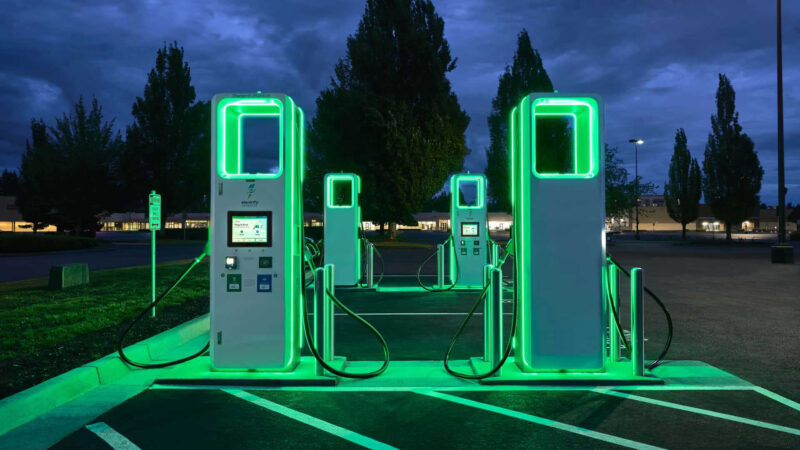
Walk onto any EV forum or social media group today, and you will see a familiar pattern. Owners spend weeks agonizing over which electric car to buy. They compare battery sizes, motor power, and infotainment screens. However, once they bring their new vehicle home, they often treat the charging station as an afterthought. They purchase the cheapest option available, or they simply use the emergency cable that came with the car.
This is a critical mistake. In reality, the charger is the heart of your electric vehicle ecosystem. It is the interface between the grid and your battery. It determines how fast you refuel, how much you pay for electricity, and ultimately, how long your battery lasts. At Changzhou Fisher Electronic Technology Co., Ltd. , we believe it is time to give the charger the attention it deserves. In this article, we will explore the hidden complexities of EV charging. We will also explain why investing in a high-quality, smart charger from a reputable manufacturer like Fisher is the smartest decision you can make for your electric future.
1. The Great Misconception: “Electricity is Just Electricity”
Many consumers assume that charging an EV is as simple as plugging in a toaster. They believe that as long as the plug fits, the result will be the same. This misconception could not be further from the truth.
The Hidden Complexity of Power Conversion
When you plug your car into a standard AC charger, a complex process begins. The alternating current (AC) from the grid must convert to direct current (DC) to charge the battery. The vehicle’s onboard charger handles this task. However, the quality of that conversion depends heavily on the stability of the power supplied by the wallbox.
A poor-quality charger delivers “dirty” power. This means the voltage fluctuates, and the current contains noise and harmonics. Consequently, the car’s onboard charger must work harder to clean up the signal. This extra work generates heat. Over time, this heat degrades the sensitive electronics inside your vehicle. In contrast, a high-quality Fisher charger ensures a pure, stable sine wave. This protects your car’s charging system and preserves the long-term health of your expensive battery pack.
The Safety Gap Between Cheap and Premium
Furthermore, the safety gap between a cheap charger and a premium unit is massive. Low-cost manufacturers often omit critical components to save a few dollars. They might use thinner wiring, lower-grade relays, or no ground fault protection at all. This creates a serious fire risk, especially in damp garage environments.
Fisher chargers, on the other hand, undergo rigorous testing. We use industrial-grade components. We implement multiple layers of protection that actively monitor the electrical flow. If the system detects a ground fault or an overcurrent situation, it shuts down in milliseconds. This level of safety provides true peace of mind that a cheap import simply cannot offer.
2. Decoding the Technology: What Happens Inside the Box?
To truly appreciate a quality charger, you must understand what happens inside the sleek plastic case. Modern EV chargers are sophisticated computers, not just glorified extension cords.
The Brains: The Control Pilot
Every EV charger contains a “Control Pilot” function, as defined by the international standard IEC 61851. This is a communication wire that talks to your vehicle. Before any power flows, the charger sends a signal to the car. It asks, “Are you ready? Is it safe to connect?” The car responds. Only after this handshake completes successfully does the charger close the main contactor and allow electricity to flow.
This process happens in a fraction of a second, but it is vital. It prevents arcing and ensures that the vehicle is properly grounded. In smart chargers, this communication channel also carries data. It tells the car how much current is available, allowing for dynamic load management.
The Muscles: The Power Stage
Inside the charger, high-power relays or contactors handle the heavy lifting. These components must switch high currents—often up to 32 amps or more—without welding themselves shut. They must do this thousands of times over the life of the charger.
Fisher uses only high-quality DC-rated relays in our products. These relays feature special arc-suppression technologies. They ensure reliable operation for years, even in areas with unstable grid power that causes frequent switching.
The Senses: Temperature Monitoring
As we discussed in our previous article, temperature is the enemy of electronics. High-quality chargers embed thermistors deep within the charging cable and the connector handle. These sensors constantly monitor for heat buildup.
If you have a poor connection in your home wiring, or if the socket is worn out, resistance increases. Increased resistance generates heat. The charger’s sensors detect this rise immediately. Before the wire insulation can melt or a fire can start, the charger reduces the current or cuts power entirely. This intelligent thermal management is a hallmark of Fisher’s engineering philosophy.
3. The Smart Home Integration: Your Charger as an Ecosystem Hub
The future of energy is not standalone devices. It is an interconnected ecosystem where your car, your home, and the grid talk to each other. Your EV charger sits at the center of this ecosystem.
Solar Synchronization
Imagine this scenario: It is a sunny afternoon, and your solar panels are generating more power than your home can use. Without a smart charger, that excess power flows back to the grid. Your utility company might pay you a tiny fraction of its value.
With a Fisher smart charger, you can change this dynamic. Our chargers integrate with popular solar inverter systems. They monitor your home’s energy production and consumption in real-time. When they detect surplus solar power, they automatically turn on and divert that energy into your car. You effectively charge your EV for free using the sun. When a cloud passes, the charger ramps down smoothly. This “solar tracking” feature maximizes your return on investment for your entire renewable energy system.
Time-of-Use Optimization
Utility companies around the world are shifting to Time-of-Use (TOU) rates. Power is cheap at 2:00 AM when demand is low, but expensive at 5:00 PM when everyone comes home and turns on their air conditioners.
A basic charger relies on you to remember to set a timer. A Fisher smart charger does this automatically. You simply enter your utility rate plan into the app once. From that day forward, the charger handles the scheduling. It ensures your car is charged by your departure time, but it only runs when electricity is cheapest. Over a year, this automation can save you hundreds of dollars.
4. Installation Considerations: Planning for the Long Term
Before you purchase any charger, you must consider your home’s electrical infrastructure. Many homeowners rush out to buy a powerful 48-amp charger, only to discover their electrical panel cannot support it.
The Load Calculation Challenge
Every home has a main electrical panel with a maximum current rating, typically 100, 150, or 200 amps. During peak times, your air conditioner, oven, dryer, and lights are already drawing power. Adding a high-current EV charger could potentially overload the panel, tripping the main breaker.
There are two solutions to this problem. The first is expensive: upgrade your entire electrical service. The second is smart: install a charger with dynamic load balancing.
Fisher’s advanced chargers include external current sensors that clamp onto your main power lines. These sensors tell the charger exactly how much power the rest of the house is using at any moment. The charger then calculates the “spare” capacity and charges your EV at the maximum safe rate without ever overloading the main panel. This technology allows you to install a powerful charger without the huge expense of a service upgrade.
Future-Proofing with the Right Cable Length
Another often-overlooked factor is cable length and flexibility. As EV models change, the location of the charging port on the vehicle moves. Some cars have the port on the front driver’s side, while others have it on the rear passenger’s side. A cable that is too short can be a daily annoyance.
Fisher offers multiple cable length options. We also use a specialized “cool-touch” cable compound. This material remains flexible in freezing winter temperatures, unlike the stiff, unmanageable cables found on cheaper chargers. It is a small detail, but it makes a significant difference in daily usability.
5. The Fisher Difference: Precision Manufacturing in Changzhou
Why should you choose Fisher for your charging needs? The answer lies in our commitment to quality control and our deep understanding of the local market.
Built for the Local Grid
Many international charger brands design their products for the stable, clean grids of Europe or North America. These chargers often struggle when installed in areas with older infrastructure or fluctuating grid voltage.
Fisher designs its products in Changzhou for the real-world conditions of the global market. We engineer our power supplies to handle wide voltage fluctuations. Our chargers incorporate heavy-duty surge protection as standard, recognizing that lightning strikes and grid switching events are common in many regions. We build our chargers tough because we know the environment they will face is tough.
Rigorous Testing Protocols
This dedication to quality means that when you install a Fisher charger, you can expect it to last for the life of your vehicle, and perhaps beyond.
Conclusion: Invest in the Heart of Your EV Experience
Your electric vehicle represents a significant investment. Protecting that investment requires more than just regular maintenance. It requires a charging partner you can trust.
Do not settle for a cheap, dumb charger that could damage your battery or pose a safety risk. Choose a smart, safe, and reliable solution from a company that understands the technology inside and out.
Changzhou Fisher Electronic Technology Co., Ltd. is ready to power your journey. Explore our range of intelligent EV chargers today and discover the difference that true engineering makes.
Contact us now for a consultation or to request a quote for your home or business.