Introduction
Mexico emerges as one of the fastest‑growing EV markets after Europe and North America. EV vehicle sales keep climbing year‑over‑year across domestic consumer and commercial segments. Nevertheless, the country faces massive gaps in local EV‑charging‑station availability. Government authorities roll out new domestic EV‑infrastructure plans to close these gaps. Public‑charging‑point numbers still lag far behind fast‑rising electric‑vehicle registrations. Most public chargers cluster inside a handful of large metropolitan city centres. Secondary cities, suburban business parks and intercity corridors lack sufficient hardware. For business owners, property managers and retail operators, private AC wallbox solutions deliver fast‑track infrastructure progress.
Mexico’s EV Boom and Its Severe Charging‑Infrastructure Shortage
First, Mexico enjoys strong momentum across its whole electric‑vehicle ecosystem. Local automotive manufacturing attracts large cross‑border near‑shoring investments. EV sales expand steadily for passenger cars, delivery vans and light‑commercial fleets. More private buyers and corporate fleets choose battery‑electric vehicles every quarter. Yet charging‑station development cannot keep pace with vehicle‑growth speed.
Official industry data shows a striking imbalance between EV volumes and charging points.Many electric‑vehicle drivers struggle to find reliable public chargers outside big cities.Urban‑centre hotspots hold most existing public charging‑station hardware.In contrast, smaller cities, industrial zones and highway rest stops remain underserved.Intercity travel creates range anxiety for many Mexican EV drivers today.Business‑fleet operators face even bigger practical operational challenges.Delivery‑company vehicles cannot complete routes without stable accessible charging access.
To respond to this market crisis, Mexican authorities launch local EV‑infrastructure initiatives.These national plans aim to expand domestic charging‑station coverage nationwide.Policy frameworks encourage both public‑sector projects and private‑sector participation.Still, large‑scale public‑station roll‑out takes extensive time and capital investment.Government‑led projects require grid upgrades, land acquisition and complex permit workflows.
For this reason, private‑property charging installations deliver much faster market relief.
Property owners, retail operators and fleet managers can deploy wallbox chargers right away.
They do not wait for slow national public‑network construction timelines.
Core Market Pain Points for EV Stakeholders in Mexico
Multiple distinct groups feel pressure from Mexico’s charging‑infrastructure gap. First, corporate fleet operators run delivery, logistics and service‑vehicle fleets. They need consistent charging at depots, warehouses and branch‑office parking zones. Public‑station queues and limited coverage disrupt daily delivery‑route schedules. Second, retail‑mall, hotel and commercial‑park property managers want to attract EV‑driving guests. Visitors expect convenient on‑site charging during shopping or accommodation stays. Third, small‑and‑medium business operators need affordable, scalable charging hardware. Many cannot afford high‑cost DC fast‑charger equipment and heavy‑grid modification work. Fourth, multi‑unit residential building managers serve residents who own electric cars. Limited public charging pushes EV‑owners to seek building‑based private charging access.
Common barriers block quick charging‑station deployment for these stakeholder groups. DC fast‑charging units carry very high upfront purchase and installation expenses. They also demand major grid‑capacity upgrades for many existing Mexican business sites. Permit‑processing timelines for heavy‑power infrastructure extend many months. Many sites lack available land space for large permanent charging‑station constructions. All these factors slow down charging‑network expansion across the whole country.
Therefore, medium‑power AC wallbox chargers become a highly practical alternative. They bring lower capital cost and simpler grid‑connection requirements. Installation workflows move faster with fewer civil‑construction obligations. Many property owners can add multiple charging points without full‑site grid rebuilds. Portable wall‑box models add extra flexibility for shifting‑business‑site requirements.
Product Spotlight: 32A 22 kW Type 2 Portable EV Wallbox for Mexican Market Needs
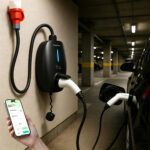
Our 32A 22 kW Type 2 portable EV wallbox delivers robust AC charging performance. It supports 32‑amp three‑phase power output for fast level‑2 EV charging cycles.This unit offers dual‑mode functionality: wall mounting or portable mobile‑site use.Commercial‑grade material builds resist heat, humidity and outdoor‑weather exposure.Rigorous safety certifications protect against common electrical‑fault risks.
Even though the product uses Type 2 connectors, local‑market adapter options support regional‑standard vehicle plugs. This compatibility makes it fit for diverse EV models circulating inside Mexico. Business buyers can deploy units across many different property‑type environments.
Let us list key advantages tailored for Mexican market conditions. First, reasonable power demand reduces heavy grid‑upgrade requirements for most sites. Many commercial buildings and industrial yards already hold compatible three‑phase power. You skip expensive grid‑transformation projects required by high‑power DC chargers. Second, flexible installation cuts your project completion timeline dramatically. Qualified local technicians finish set‑up work without large‑scale ground construction. Third, portable design supports temporary‑use scenarios across shifting‑business‑locations. You can move hardware between warehouses, pop‑up retail sites or event‑parking zones. Fourth, multi‑vehicle compatibility covers passenger EVs, delivery vans and light‑fleet vehicles. One hardware unit serves diverse vehicle fleets for mixed‑business‑operation demands. Fifth, built‑in thermal‑and‑current‑protection suits regions with fluctuating grid supply. Grid‑supply instability appears in parts of Mexico; safety modules stabilise charging sessions.
High‑Value Real‑World Use‑Cases Inside Mexico
Use‑Case 1: Corporate Logistics & Delivery‑Fleet Depots
Many Mexican logistics businesses grow their electric‑delivery‑van fleets rapidly. Public‑charging‑station shortages create bottlenecks for daily‑vehicle‑cycle operations. Install several of our wallbox units inside your warehouse‑depot parking zones. Fleet vehicles complete full overnight charging before each day’s delivery shifts. You reduce your total dependency on crowded public‑charging‑station networks. If your business opens new branch depots, you relocate portable units easily. This mobility supports your business expansion without buying entirely new hardware.
Use‑Case 2: Retail Malls, Hotels and Commercial‑Park Parking Lots
Property‑management teams want to attract EV‑driving customers and guests. Public‑charging‑coverage gaps push visitors to seek destination‑charging services. Mount our wallbox units in selected guest‑parking bays across your premises. Visitors charge vehicles while they shop, dine or stay at your property. This service improves customer experience and builds competitive market advantages. You start with a small number of chargers and scale up gradually with business growth. No huge one‑time capital outlay slows your service‑launch timeline.
Use‑Case 3: Industrial Zones and Secondary‑City Business Premises
Major Mexican industrial zones sit outside the capital’s central‑city limits. These areas host many EV‑fleet operators but hold very few public charging‑stations. Our wallbox fits factory parking yards, supplier‑company lots and business campuses. You build local private charging capacity without waiting for national‑public‑network roll‑out. Secondary‑city markets represent huge untapped opportunities for charging‑service operators.
Use‑Case 4: Short‑Term Events and Pop‑Up Business Venues
Trade fairs, road‑show events and seasonal commercial activities need temporary EV charging. Permanent charging‑station infrastructure rarely exists at these event‑site locations. Bring our portable wallbox units to deliver reliable charging for event‑attendee vehicles. When events conclude, collect and redeploy hardware for your next business‑activity needs.
Strategic Advice for Businesses Entering Mexico’s EV‑Charging Space
First, study your local site’s available three‑phase‑grid power capacity. Confirm your electrical infrastructure matches the wallbox’s 22 kW power requirements. Second, map your target user groups: fleet drivers, retail guests or building residents. Clarify daily charging volumes and expected vehicle‑usage cycles. Third, plan scalable deployment. Start with a small charger quantity for pilot testing. Add more wallbox units as EV‑usage volumes rise on your property. Fourth, combine private wallbox hardware with incoming government‑supported public‑networks. Do not view private charging as a direct competitor to national‑infrastructure projects. Instead, treat private wallboxes as a critical short‑to‑medium‑term gap‑filling solution. Public national networks will mature over multiple coming years. Private wall‑box hardware solves urgent charging‑access problems right now.
Many local Mexican enterprises gain competitive edges through this deployment strategy. They capture EV‑driven customer traffic and stabilise internal‑fleet‑operation workflows.