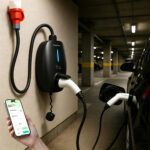
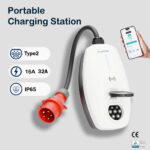
When sourcing an OEM (Original Equipment Manufacturer) EV charging station, particularly a 7kW model, the design of the product plays a crucial role in ensuring its functionality, durability, and alignment with the specific needs of end-users. These design elements go beyond aesthetics and delve deep into functionality, safety, and adaptability to various charging environments. Understanding these design options can help procurement managers, distributors, and buyers make informed decisions that align with their business needs and the demands of the growing EV market.
Introduction to 7kW OEM EV Charging Stations
Electric vehicles (EVs) have become increasingly popular as the world transitions towards greener energy solutions. As this shift accelerates, the demand for reliable and efficient EV charging stations, particularly those with 7kW power output, has surged. These stations are a key part of home and public charging infrastructure due to their balance between performance and convenience.
A 7kW charging station is ideal for residential use, providing a reasonable charging speed that accommodates most daily driving needs. They are also commonly used in smaller commercial spaces, apartments, and workplaces. As a result, designing these units for efficiency, safety, and ease of use is vital for manufacturers.
In this article, we will explore the various design options available for 7kW OEM EV charging stations, focusing on factors such as customization, materials, installation flexibility, user interfaces, and integration capabilities. Understanding these features will assist procurement managers in selecting the right charging stations for their specific needs.
Table of Contents
1. Customization for Branding and Functionality
One of the primary reasons companies opt for OEM manufacturers is the ability to customize the charging stations. OEM manufacturers offer a range of design options that can be tailored to suit specific branding requirements, installation environments, and user preferences.
Branding and Aesthetics: OEM EV charging stations often come with customizable exterior finishes, including color schemes, logos, and branding elements. For businesses looking to enhance their corporate identity or for those who wish to stand out in a competitive market, a personalized charging station design is essential.
Enclosures: The outer casing of the charging station can be customized with various materials, such as stainless steel, aluminum, or high-durability plastic. These materials not only affect the aesthetics but also the durability and resistance to environmental conditions, such as UV exposure, corrosion, and impact.
Modular Designs: Many OEM manufacturers offer modular designs, allowing businesses to choose the components that best fit their needs. This includes options like wall-mounted units, pedestal-mounted models, or compact, portable designs for smaller spaces.
2. Materials and Durability
The materials used in the construction of a 7kW EV charging station are integral to its longevity and reliability. Whether the charging station is installed in a home garage, a commercial parking lot, or a public space, it must be built to withstand various environmental factors.
Weather Resistance: For outdoor installations, the enclosure must be weatherproof. This includes resistance to rain, snow, and temperature fluctuations. Materials like powder-coated steel or reinforced plastic are commonly used for their ability to resist the elements and maintain the station’s functionality over time.
Fire and Impact Resistance: EV charging stations are often exposed to physical stresses. Whether they are installed in high-traffic areas or subjected to accidental impacts, the materials used need to ensure both safety and durability. Charging stations may feature reinforced, impact-resistant designs and fireproof enclosures to meet stringent safety standards.
Corrosion Resistance: Charging stations installed in coastal or humid areas require materials resistant to corrosion. Stainless steel and corrosion-resistant alloys are excellent options for maintaining the integrity of the unit, especially in coastal or industrial areas.
3. User Interface and Functionality
A user-friendly interface is one of the most important features of any EV charging station. For a 7kW OEM station, the design of the user interface can significantly enhance or detract from the overall experience.
Touchscreen Displays: Many 7kW charging stations come equipped with touchscreen interfaces that allow users to interact with the station, monitor charging progress, and make adjustments to charging settings. Customizable touchscreens can display branding or user instructions in multiple languages.
Smart Features: As EV charging stations become more integrated with smart home systems, many 7kW OEM designs now include Wi-Fi, Bluetooth, or Ethernet connectivity. This allows users to monitor charging remotely, set schedules, and receive notifications via mobile apps.
Payment Integration: For commercial applications, a user-friendly payment system is crucial. OEM manufacturers often offer options for integrating contactless payment systems, subscription models, or mobile payment apps directly into the charging unit’s interface.
Accessibility Features: A well-designed 7kW charging station should be easy for all users to operate, including those with disabilities. Adjustable screens, tactile buttons, and voice-guided navigation can enhance accessibility for individuals with special needs.
4. Safety Features and Compliance
Safety is a top priority when designing any electric vehicle charging station. OEM manufacturers of 7kW units often integrate a variety of safety features to protect users, vehicles, and the station itself from potential hazards.
Overcurrent and Overvoltage Protection: These features prevent the charging station from delivering too much power, which could damage the vehicle’s battery or the station itself. They also protect against fluctuations in power supply.
Ground Fault Circuit Interrupter (GFCI): GFCIs are standard in 7kW EV charging stations, ensuring that any electrical fault is detected quickly and that the power supply is cut off to avoid shock hazards.
Temperature Monitoring: Overheating can cause serious issues in electrical systems. OEM charging stations often include temperature sensors that monitor the unit’s internal temperature and shut it down if it exceeds safe limits.
Electrical Isolation: Electrical isolation ensures that the charging station and the car’s battery are kept separate to prevent potential electrical hazards. This is especially important when handling high-voltage systems.
CE and UL Certifications: In markets like Europe and North America, compliance with industry safety standards is essential. OEM manufacturers design their 7kW charging stations to meet certifications such as CE (Conformité Européene) and UL (Underwriters Laboratories), ensuring that the products are safe for use and in line with local regulations.
5. Installation Flexibility and Space Efficiency
Another important aspect of the design of a 7kW EV charging station is its ease of installation and space efficiency. As businesses and homeowners strive to optimize their available space, manufacturers have developed several design options to accommodate various installation scenarios.
Wall-Mounted Stations: Wall-mounted 7kW charging stations are ideal for residential garages, providing a compact, space-saving solution. These units are typically installed on sturdy walls and can be configured to fit in a range of environments.
Pedestal-Mounted Units: For commercial properties or public charging stations, pedestal-mounted charging units provide flexibility and ease of access for users. Pedestal designs also reduce the risk of damage to the charging station, as the unit is elevated from the ground.
Portable Units: Portable charging stations offer the ultimate flexibility. They can be moved to different locations and stored when not in use. These models are often ideal for renters or those without dedicated parking spaces.
Weatherproof Outdoor Installations: For outdoor installations, such as in public parking lots or on street corners, the design must account for varying weather conditions. Manufacturers offer specialized weatherproof designs that ensure charging stations perform optimally, even in extreme climates.
6. Charging Cable Management and Convenience
The design of cable management systems is another key factor in enhancing the functionality of a 7kW OEM EV charging station. Proper cable management not only improves the user experience but also increases the lifespan of the cables and protects them from wear and tear.
Retractable Cables: Some OEM manufacturers provide retractable cable reels that allow users to neatly store cables when not in use. This minimizes clutter and ensures that cables do not become tangled or damaged.
Cable Holders and Hooks: Other design options include integrated cable holders or hooks that allow users to hang the charging cable securely when the station is not in use, preventing the cable from touching the ground.
Conclusion
When selecting a 7kW OEM EV charging station, understanding the variety of design options available is crucial. From customization and material durability to safety features and installation flexibility, each design element impacts the functionality, safety, and overall user experience. By taking these factors into account, procurement managers and EV charging station buyers can ensure that they choose a solution that meets their specific requirements while providing value for their investment.
As the EV market continues to grow, so too does the need for efficient, user-friendly, and aesthetically appealing charging stations. OEM manufacturers are at the forefront of delivering these innovative designs, offering a wide range of options to meet the needs of consumers and businesses alike.